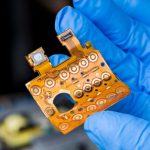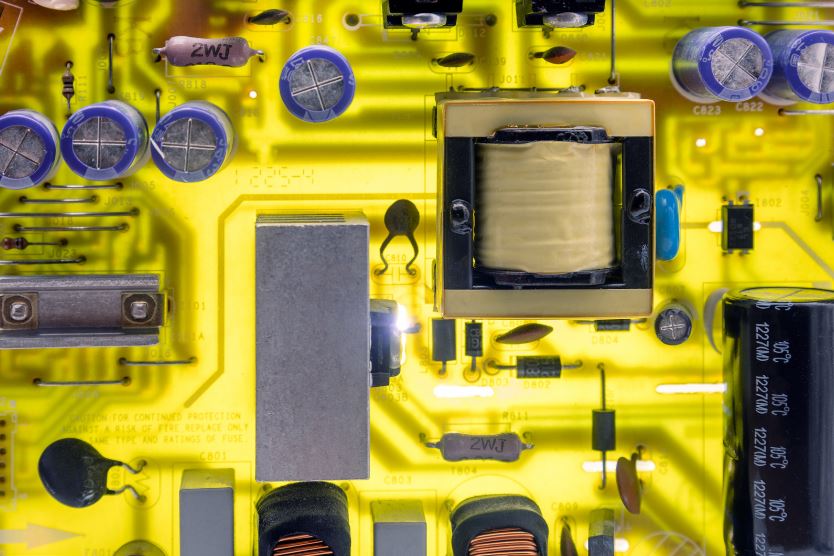
Printed Circuit Boards (PCBs) are the backbone of modern electronic devices. From your smartphone to advanced medical equipment, PCBs play a critical role in powering technology. If you’re looking to understand how a PCB goes from a concept to a fully functional product, this comprehensive guide is for you. We’ll walk you through each stage of the PCB manufacturing process, highlighting the expertise of Precision Circuit Manufacturers Pte Ltd, the best PCB manufacturer in Singapore.
Introduction to PCB Manufacturing
PCB manufacturing is a complex process that transforms an electronic design into a physical board that can be used in electronic devices. Understanding this process is crucial for engineers, designers, and anyone involved in electronics. Precision Circuit Manufacturers Pte Ltd, the best PCB manufacturer in Singapore, excels in turning prototypes into production-ready boards with precision and reliability.
Initial Design and Schematic Creation
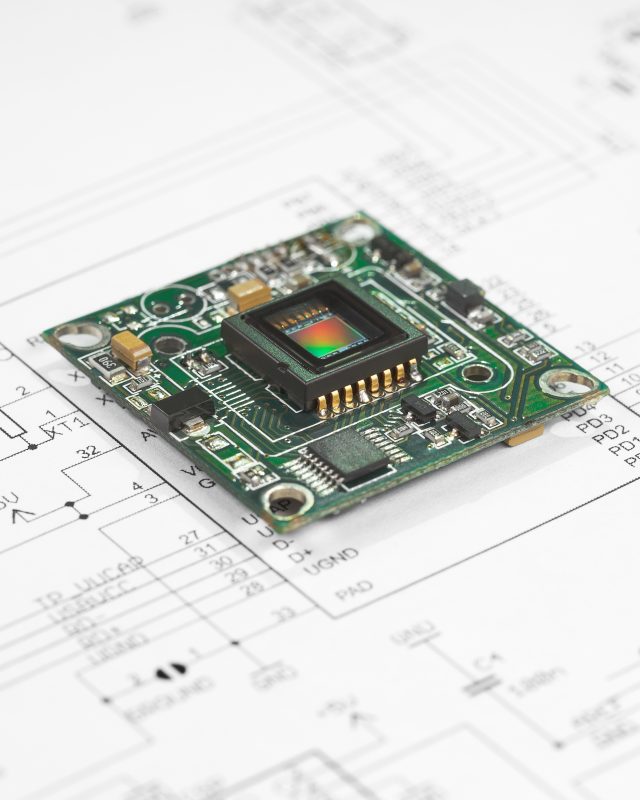
The first step in PCB manufacturing is designing the schematic. This diagram represents the electrical connections between components. Using software tools like Eagle or Altium Designer, engineers create detailed schematics that outline how the PCB will function. A well-designed schematic is crucial as it serves as the blueprint for the entire project.
Prototyping and Testing
Once the schematic is ready, the next step is prototyping. This involves creating a small batch of PCBs to test the design’s functionality. Prototyping allows for identifying and fixing any issues before mass production. Precision Circuit Manufacturers Pte Ltd uses advanced prototyping techniques to ensure high accuracy and performance.
Choosing the Right Materials
Selecting the appropriate materials is essential for a successful PCB. The materials used affect the board’s durability, performance, and cost. Common materials include:
- FR-4: A glass-reinforced epoxy laminate known for its strength and durability.
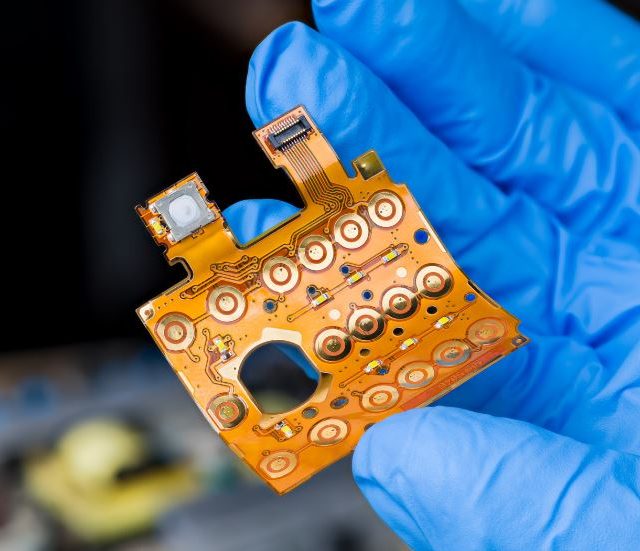
- Polyimide: Offers excellent thermal stability, ideal for high-temperature applications.
- Copper Clad Laminate (CCL): Provides the conductive surface needed for electrical connections.
Precision Circuit Manufacturers Pte Ltd sources high-quality materials to ensure the best outcomes for your PCBs.
PCB Layout and Design
The layout phase involves arranging the components on the board and routing the electrical connections. This stage is critical as it impacts the board’s performance and manufacturability. Engineers use design software to optimize the layout, ensuring minimal signal interference and efficient use of space.
Manufacturing Process
The manufacturing process consists of three main stages: fabrication, assembly, and testing.
Fabrication
Fabrication is where the PCB’s physical structure is created. This involves several steps:
- Layer Preparation: Multi-layer PCBs are created by stacking and bonding layers of conductive and insulating materials.
- Imaging: A photomask is used to transfer the PCB design onto the board.
- Etching: Unwanted copper is removed, leaving behind the desired circuit patterns.
- Drilling: Holes are drilled for components and vias (connections between layers).
- Plating: Copper plating is applied to the drilled holes and surface traces to ensure electrical conductivity.
Assembly
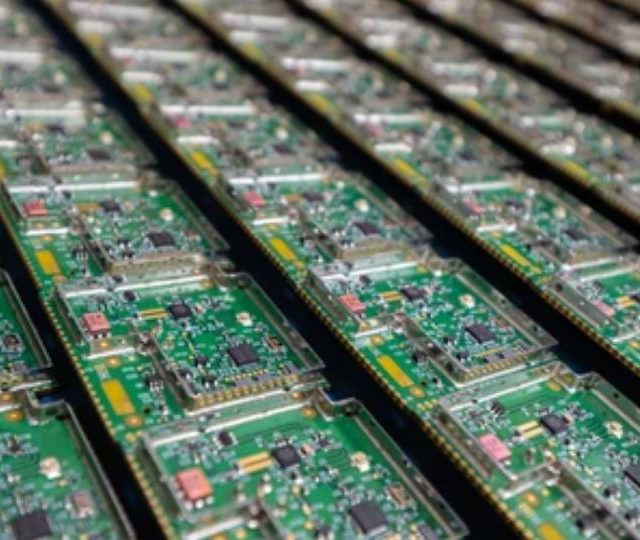
Assembly involves placing and soldering components onto the PCB. This can be done using Surface Mount Technology (SMT) or Through-Hole Technology (THT).
- SMT: Components are placed directly onto the surface of the PCB. This method is efficient and allows for smaller, more compact designs.
- THT: Components are inserted into drilled holes and soldered from the opposite side. This method provides strong mechanical bonds and is used for components that require durability.
Precision Circuit Manufacturers Pte Ltd uses state-of-the-art assembly lines to ensure precision and efficiency.
Testing and Quality Control
Testing is a critical step to ensure the PCB functions correctly. Several testing methods are employed, including:
- Automated Optical Inspection (AOI): Uses cameras to inspect the PCB for defects.
- In-Circuit Testing (ICT): Tests electrical performance by probing components.
- Functional Testing: Simulates the operating environment to ensure the PCB works as intended.
Quality control is paramount at Precision Circuit Manufacturers Pte Ltd. Each PCB undergoes rigorous testing to meet the highest standards.
Final Production and Packaging
Once the PCBs pass all tests, they are ready for final production. This involves scaling up manufacturing to meet demand. The boards are then cleaned, packaged, and prepared for shipment. Precision Circuit Manufacturers Pte Ltd ensures that each PCB is securely packaged to prevent damage during transit.
Working with Precision Circuit Manufacturers Pte Ltd
Partnering with the best PCB manufacturer in Singapore, Precision Circuit Manufacturers Pte Ltd, offers numerous benefits:
- Expertise: Over 39 years of experience in PCB manufacturing.
- Quality: Commitment to the highest quality standards.
- Innovation: Use of cutting-edge technology for prototyping and production.
- Customer Support: Dedicated support team to assist you throughout the process.
Understanding the PCB manufacturing process is essential for anyone involved in electronics. From initial design to final production, each step requires precision and expertise. Precision Circuit Manufacturers Pte Ltd stands out as the best PCB manufacturer in Singapore, offering top-notch services to bring your electronic designs to life.
FAQs
What is the role of a schematic in PCB manufacturing?
A schematic serves as the blueprint for the PCB, detailing the electrical connections between components.
Why is prototyping important in PCB manufacturing?
Prototyping helps identify and fix design issues before mass production, ensuring the final product functions correctly.
What materials are commonly used in PCB manufacturing?
Common materials include FR-4, Polyimide, and Copper Clad Laminate (CCL).
What are the main stages of the PCB manufacturing process?
The main stages are fabrication, assembly, and testing.
How does Precision Circuit Manufacturers Pte Ltd ensure quality?
Through rigorous testing methods such as AOI, ICT, and functional testing, ensuring each PCB meets the highest standards.
Why should I choose Precision Circuit Manufacturers Pte Ltd for my PCB needs?
With over 39 years of experience, a commitment to quality, and the latest technology, Precision Circuit Manufacturers Pte Ltd is the best choice for PCB manufacturing in Singapore.