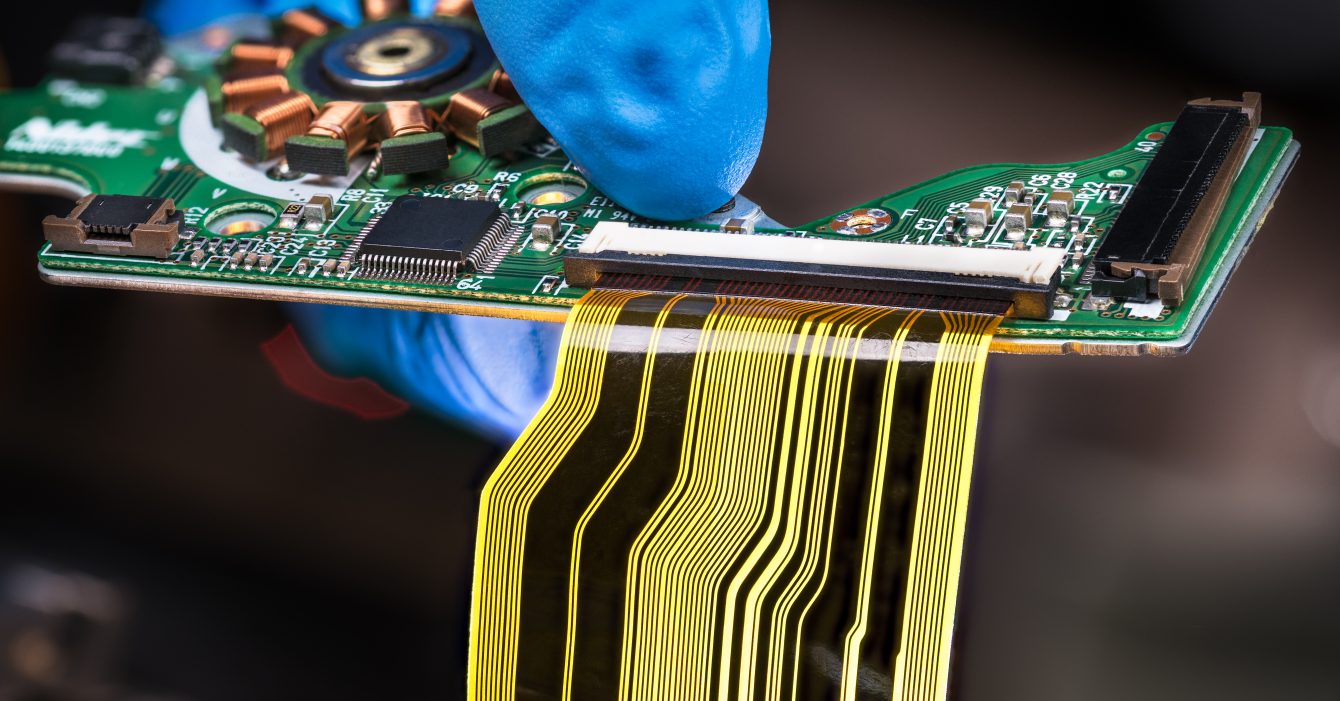
Rigid, Rigid Flex and Flex Circuit Board Fabrication
Rigid PCBs are integral components in today's electronic market, serving as the foundation for various electronic devices. They come in single-layer, double-layer, and multi-layer configurations. Rigid PCBs offer numerous advantages, including high density, reliability, design flexibility, manufacturability, testability, composability, and maintainability. Additionally, they are cost-effective and boast excellent performance, making them a preferred choice for electronic applications.
- 1 to 20 layers
- 3 working days quick turn for prototype
- FR-4, Hi-Temp FR-4, FR-5, Polymide, Aluminium, Rogers material
- Impedance control, Blind and Buried via holes, BGA, HDI PCB
- Immersion Gold, Immersion Tin, Hard Gold flash, Gold fingers,
- HAL(Lead free) finish
- Flying Probe test, Fixture test
We’re Here to Help You
What are rigid PCBs and their applications?
Rigid PCBs are solid, inflexible boards used in electronic devices like computers, smartphones, and household appliances. They provide a stable platform for mounting electronic components and facilitating circuit connections.
What are the differences between single-layer, double-layer, and multi-layer rigid PCBs?
Single-layer rigid PCBs consist of a single conductive layer, while double-layer PCBs have two layers of conductive material separated by an insulating substrate. Multi-layer rigid PCBs contain three or more layers, allowing for more complex circuit designs and higher component density.
What are the advantages of using rigid PCBs?
Rigid PCBs offer advantages such as high reliability, design flexibility, manufacturability, and testability. They also provide excellent performance at a relatively low cost, making them suitable for a wide range of electronic applications.
How are rigid PCBs manufactured?
Rigid PCBs are manufactured using processes such as etching, drilling, plating, and soldering. These processes involve transforming raw materials such as copper-clad laminates into finished PCBs according to specific design requirements.
What factors should I consider when choosing rigid PCBs for my electronic project?
When selecting rigid PCBs, consider factors such as the required number of layers, board size, material properties, trace width and spacing, and surface finish. Additionally, assess the manufacturer's reputation, quality control measures, and ability to meet your project's specifications and deadlines.